
What is the main treatment for cancer?
In short, the main treatment for cancer near you depends on the type, stage, and specific circumstances of the patient. Below are three key approaches commonly used to treat cancer:
- Surgery: Removing cancerous tumors or affected tissues directly from the body.
- Therapies like Chemotherapy or Radiation: Targeting and destroying cancer cells through powerful drugs or high-energy radiation.
- Targeted or Immunotherapy: Using advanced methods to strengthen the immune system or target cancer at the molecular level.
If you are searching for treatment for cancer near you, it’s important to understand that cancer care is highly individualized. There is no single treatment that fits everyone. Today’s cancer treatment involves a precise and often multifaceted approach, drawing from the best in modern medicine to give each person the highest chance for recovery.
Your care plan is shaped by more than just the cancer’s type and stage. Your care team also carefully considers your overall health, personal preferences, and life goals.
In this guide, we will explore the main treatments for cancer and show how personalized, collaborative care can empower you and your loved ones throughout your healing journey.
What is cancer treatment?
Cancer treatment refers to a broad set of proven, evidence-based medical strategies that aim to remove, control, or manage cancer. For most people, this means a tailored plan that combines one or more therapies best matched to their diagnosis.
Modern treatment for cancer near you may include surgery, chemotherapy, radiation, immunotherapy, targeted therapy, or hormone therapy, sometimes in carefully planned combinations, to ensure the most effective results and minimize side effects.
What are the main types of cancer treatment?
There isn't a single "main" treatment for cancer. According to the CDC, the best approach depends on factors unique to you, including cancer type, location, stage, and your health profile. Most cancer care involves a combination of therapies, thoughtfully selected to support the best possible outcome.
The most common types of cancer treatment include:
- Surgery: Often the first line of defense for localized tumors, surgery focuses on physically removing cancerous tissue. For many early-stage cancers, surgery alone can lead to a cure or long-term remission.
- Chemotherapy: A powerful medication-based therapy that targets fast-growing cancer cells throughout the body, making it essential for cancers that have spread or have a high risk of spreading.
- Radiation Therapy: Utilizes advanced energy beams to destroy cancer cells in a specific area, either as a primary treatment or in combination with surgery or chemotherapy.
- Immunotherapy: Harnesses and boosts the body’s own immune system to identify and destroy cancer cells. Some patients achieve deep, long-lasting remission, especially with blood or skin cancers.
- Targeted Therapy: Attacks cancer by zeroing in on specific genetic or molecular changes responsible for cancer growth, offering a precise and often better-tolerated treatment.
- Hormone Therapy: For hormone-sensitive cancers (like some breast or prostate cancers), hormone-blocking drugs can slow or stop tumor growth.
- Stem Cell or Bone Marrow Transplant: Used mainly in blood cancers such as leukemia or multiple myeloma, this advanced treatment restores healthy marrow and supports recovery after high-dose therapies, according to the National Cancer Institute.
Every treatment plan is uniquely designed by your team to align with your goals, diagnosis, and medical needs. When you seek comprehensive treatment for cancer near you, choose a cancer center with experienced specialists in these advanced therapies, so you receive the highest standard of individualized care.
How is a cancer treatment plan developed?
The key to exceptional cancer care is a collaborative, multidisciplinary planning process that focuses fully on you. Here’s what you can expect:
- Diagnosis & Staging: State-of-the-art imaging, lab assessments, and sometimes genetic testing clarify the exact type and progression of your cancer.
- Expert Team Review: Oncologists, surgeons, radiation therapists, pathologists, and support staff work together to design your most effective treatment plan, ensuring no detail is overlooked.
- Personalized Goal Setting: You'll discuss treatment objectives, such as remission, controlling symptoms, or improving quality of life, so your care aligns with your personal hopes and values.
- Custom Combination of Treatments: Your plan may include a tailored sequence of therapies, sometimes given together, or in a specific order, to maximize success.
- Ongoing Support: From medication management to emotional, nutritional, and rehabilitative services, your care team will be by your side to monitor your progress and help you manage side effects.
When you look for treatment for cancer near you, prioritize centers where patients benefit from highly coordinated care, open and ongoing communication, and personalized support every step of the way.
What can I expect during cancer treatment?
Cancer treatment can feel overwhelming but knowing what to expect can help ease some of the uncertainty. Each patient’s experience is unique, and your care team will work closely with you to ensure you feel informed and supported throughout the process.
With the right guidance, you don’t have to face this journey alone.
Timelines and Recovery
The path of cancer treatment is unique to each person. Some may need just a single procedure, while others undergo months or years of therapy, such as ongoing chemotherapy or repeated radiation sessions.
Your care team will set clear expectations about your treatment timeline, recovery milestones, and what to watch for, empowering you to move through each stage with more confidence.
Examples of treatment timelines:
- Surgery: May require a hospital stay and weeks to recover, with follow-up visits to monitor progress.
- Chemotherapy: Usually delivered in cycles, offering periods of treatment and rest to aid recovery.
- Radiation therapy: Often involves daily sessions for several weeks.
- Immunotherapy/Targeted Therapy: Depending on the drug, it may be delivered in a clinic or even at home, sometimes over many months.
Recovery is gradual and guided. Most patients start by managing immediate side effects and progress to regaining energy, strength, and independence.
Managing Side Effects
Strong advances in supportive care help patients better manage or prevent side effects from treatment. Common issues, such as fatigue, nausea, appetite changes, or hair loss, are now more easily managed with specialized medications, nutritional support, and wellness programs.
Emotional support and counseling are equally important, offering a pathway to cope with stress, anxiety, or sadness along the way. Most patients can maintain many aspects of their daily life, with their care team providing individualized advice and encouragement.
Who is a candidate for certain treatments?
The right treatment for cancer near you is the result of a careful, individualized evaluation:
- Localized tumors are often treated with surgery or focused radiation, sometimes offering a cure.
- Advanced or metastatic cancers typically need a combination of chemotherapy, targeted therapy, immunotherapy, or systemic approaches.
- Blood cancers such as leukemia or multiple myeloma may be best addressed with a stem cell or bone marrow transplant.
- Hormone-sensitive cancers benefit from hormone-blocking medications to slow or stop growth.
Your doctors will collaborate closely with you, balancing medical evidence with your unique goals and lifestyle, to recommend the safest and most effective options. Open conversations about different therapies and what to expect are a vital part of this shared decision-making.
The Role of Complementary Therapies
While evidence-based medicine is at the heart of your cancer treatment, complementary therapies can enhance your well-being. These approaches do not replace standard treatments but can be integrated with your team’s oversight to improve your quality of life.
Popular options to help manage pain, stress, or fatigue include:
- Massage
- Mindfulness and yoga
- Nutrition counseling
Best Treatment for Cancer Near Me in Northern Texas
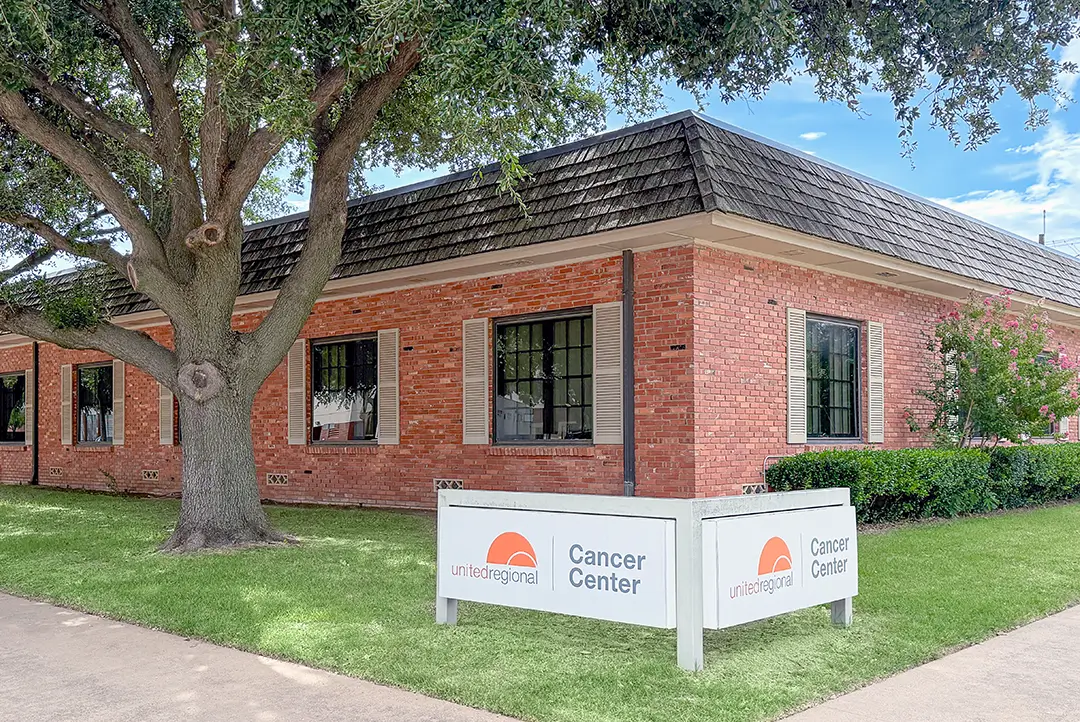
Choosing your cancer center is a significant step. Look for facilities with a multidisciplinary team, like oncologists, surgeons, radiation specialists, nurses, counselors, and therapists committed to whole-person care. At United Regional Cancer Center, we offer:
- Personalized care plans informed by the latest research and aligned with your individual needs
- Support services for emotional well-being, nutrition, rehabilitation, and survivorship
- Easy access for patients seeking treatment for cancer near Wichita Falls and the greater region
Your journey matters, and so does having a partnership built on trust, skill, and compassion. If you have questions or want to schedule a consultation at United Regional, call (940) 764-5920 today. We’re here to help you feel informed, supported, and hopeful at every stage.
Frequently Asked Questions
There’s no single main treatment. Your care team determines the best plan for your specific type and stage of cancer, drawing on surgery, chemotherapy, radiation therapy, immunotherapy, targeted therapy, hormone therapy, or combinations thereof.
United Regional experts are here to guide you through your recovery journey with compassionate care. Talk to your primary care provider for a referral to our Cancer Center.
Alternative or complementary therapies can support well-being and symptom management, but should never be used in place of standard treatment. Always involve your care team in these decisions.
Absolutely. Supportive and survivorship programs, such as emotional counseling, rehab, nutrition, and education, are essential parts of complete cancer care.
Cancer Care related Services and Technology
Cancer Care
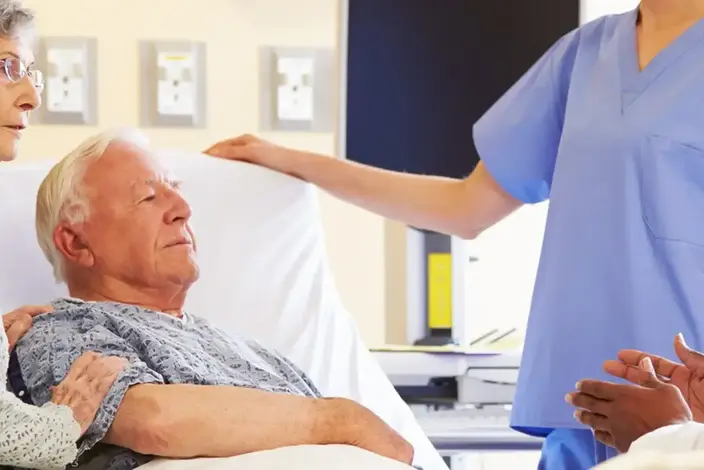
Compassionate cancer care services: prevention, diagnostics, treatment, and rehabilitation. Find hope and comfort at United Regional Health Care System.

UroNav MR/Ultrasound Fusion Biopsy
UroNav delivers precise, minimally invasive prostate biopsies — in Wichita Falls only at United Regional.
MRI
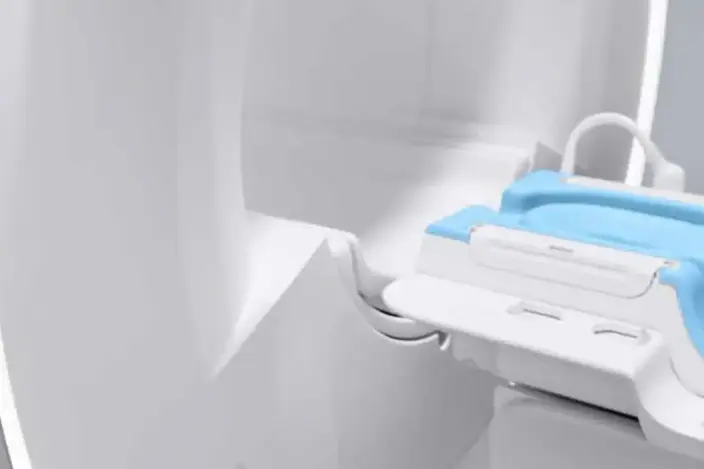
An MRI is a safe, painless procedure that uses no ionizing radiation. At United Regional, our advanced MRI technology and expert staff deliver clear, detailed images of internal organs and tissues.